
The firm’s account managers heavily promote claims of highly optimised software and industry-leading partnership conditions. The platform asserts support for a diverse range of payment methods, spanning traditional bank cards to cryptocurrencies. Furthermore, it advertises access to elevated leverage alongside various auxiliary services. Yet, despite the marketing fanfare and contradictory assertions, the project lacks a regulatory licence entirely, relying solely on a corporate registration within an offshore jurisdiction. Trader trust remains minimal, with the vast majority of published testimonials being either overtly negative or fabricated. In this Solantis review, we will examine whether the firm can be classified as an outright fraudulent operation.
About Our Team
Solantis Snapshot
| Claimed Regulation | FSRA |
| Verified Regulation | Not Found |
| Licence Last Checked | 27/05/2026 |
| Minimum Deposit | $50 |
| Retail Leverage up To | 1:500 |
| Affiliate Programme | No Details |
| Type of Education | Not Found |
| Claimed Year Foundation | Undisclosed |
| Domain Parked Since | 06/11/2025 |
| Trading Software | MetaTrader 5 |
| Mobile Compatibility | iOS, Android |
| Languages Supported | En |
Advantages and Disadvantages
-
Contact information for customer support is publicly available.
-
Complete absence of a regulatory licence.
-
Adverse client reviews and a notably low level of trust.
-
Specific details regarding the initial deposit requirement remain undisclosed.
-
Permitting an unacceptable and hazardous level of leverage.
-
Systemic promotion and use of complex Contracts for Difference.
Legitimacy Check
The question of regulatory oversight regarding Solantis is clear-cut, albeit entirely negative. Moving forward, we decided to delve deeper into the regulatory framework, examine the nuances of their corporate registration, and scrutinise the claimed headquarters address. We also wonder about the true duration of their market presence, as well as the feasibility of capital recovery, perhaps through legal intervention or alternative professional assistance.
Solantis operates unlawfully within the financial markets, entirely failing to disclose any regulatory details on its official website. Consequently, the project lacks oversight from both reputable European authorities and offshore financial regulators. Engaging with such an entity introduces prohibitive risks; unlicensed brokers routinely deny withdrawal requests, manipulate proprietary software, and retain the arbitrary power to implement complete account freezes.
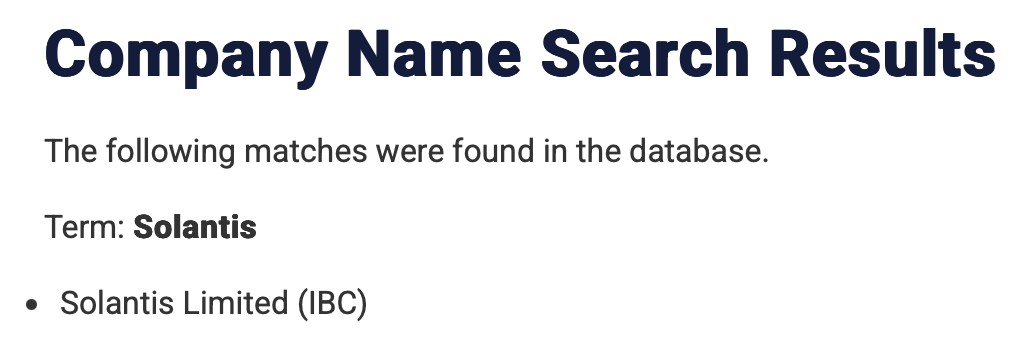
The solantis.pro website provides specific details regarding its corporate registration, noting in the footer that the firm is registered as a legal entity in St. Lucia. Whilst this information is easily verifiable via the official corporate registry, such a jurisdiction represents a distinct vulnerability rather than an advantage.
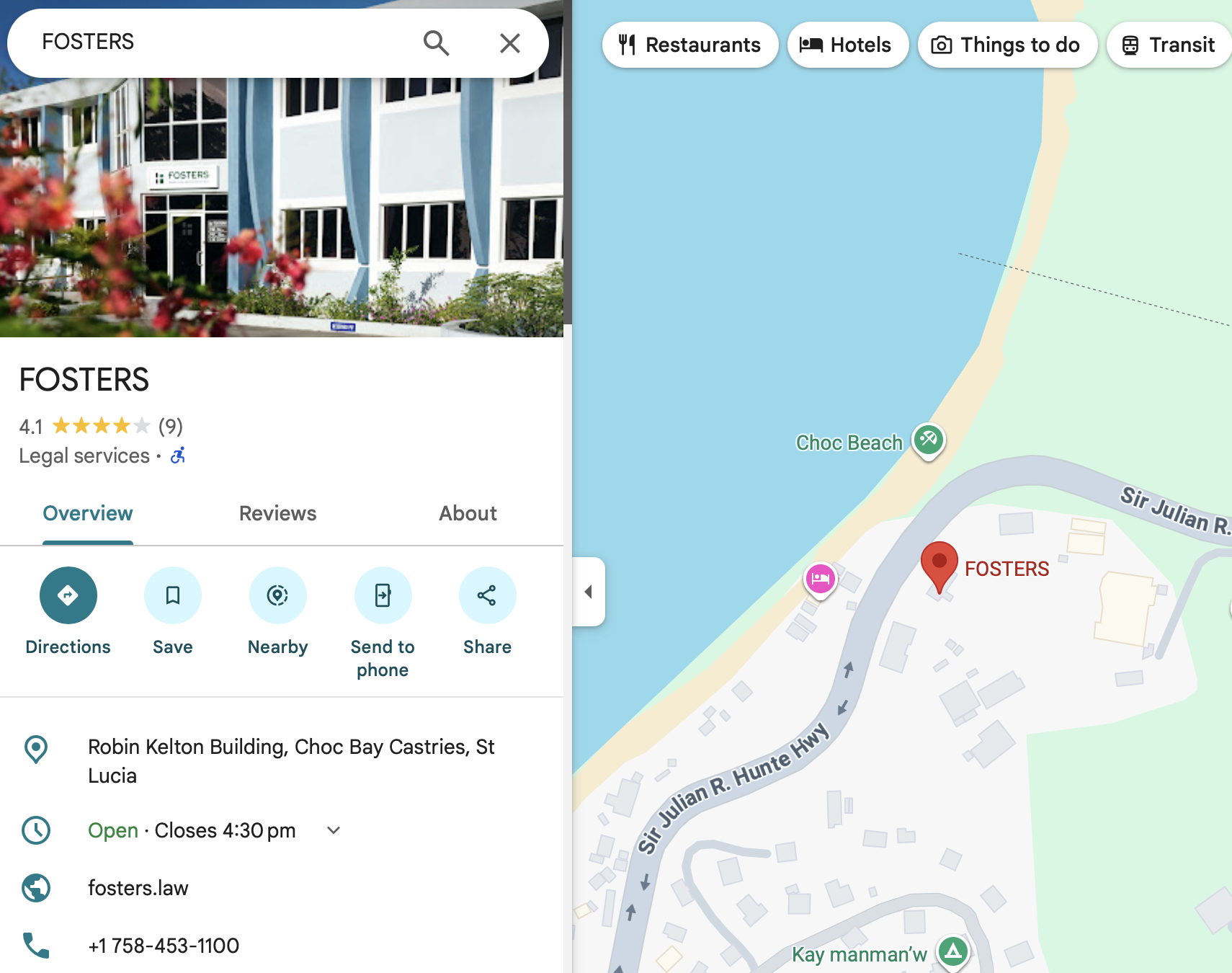
The footer of Solantis official website displays a corporate headquarters address. However, cross-referencing this location via Google Maps redirects to an unrelated third-party entity. This corporate ghost has no operational connection to the subject of this review, suggesting that the broker possesses neither a headquarters nor physical branch offices. A similar shroud of secrecy envelops the firm’s leadership team. This strict anonymity, combined with a heavy reliance on cryptocurrency transactions, significantly exacerbates the platform’s structural flaws — traits universally shared by fraudulent brokerages.
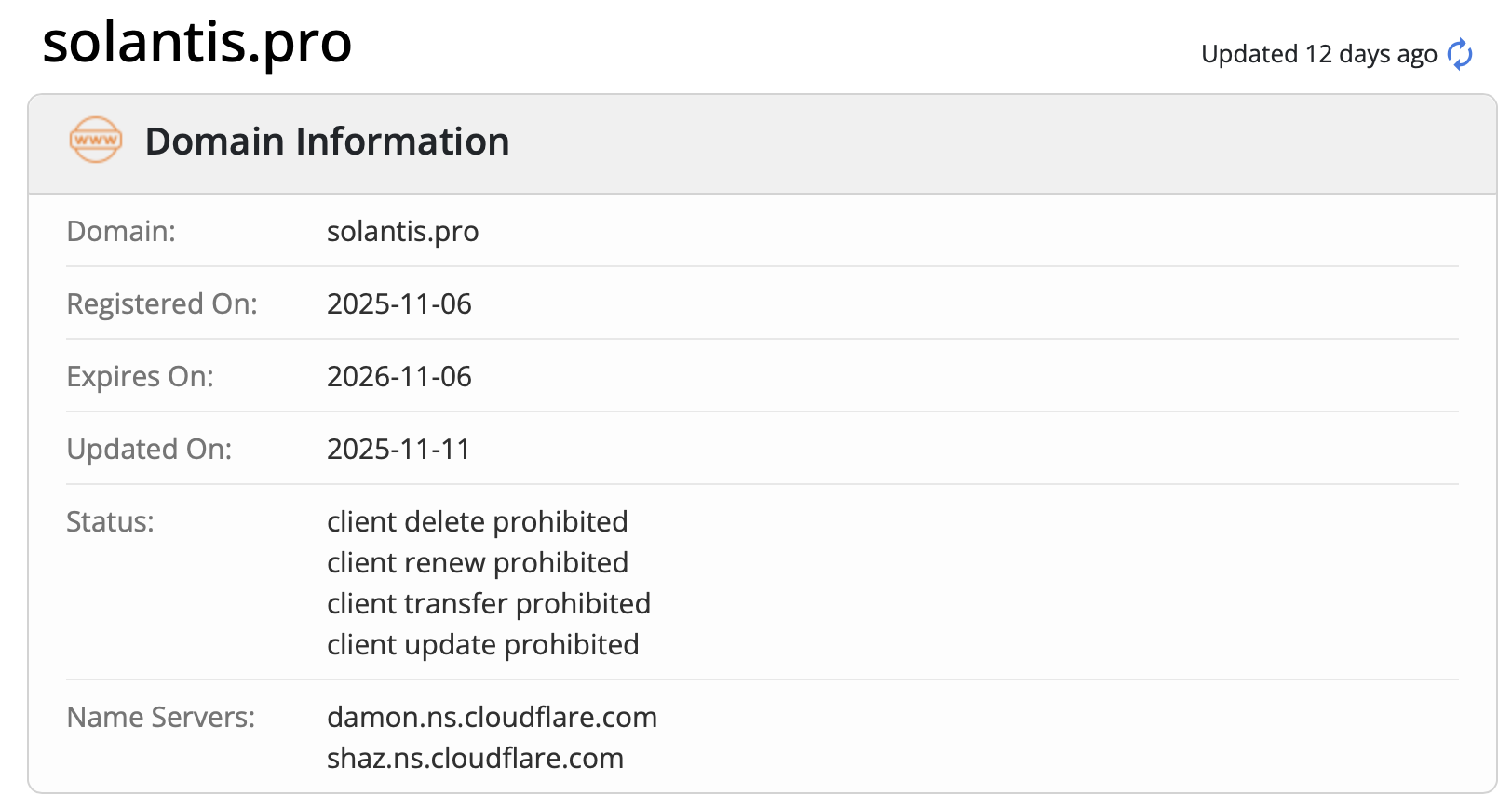
The operational longevity of Solantis remains a primary gauge of its institutional reliability. Verification via WHOIS and WebArchive services reveals that the platform’s domain was established in the latter half of 2025. This brief history matches the firm’s minimal brand awareness and the sparse volume of organic feedback. Thus, the subject of our review can boast neither a regulatory mandate, a proven track record, nor any verifiable industry achievements.
Solantis.pro Content Quality
The broker’s official website features a notably rudimentary interface, which is available exclusively in English. Below, we decided to break down the most glaring deficiencies of the portal, evaluate its core functionality, and review the registration process alongside the client portal interface. We also wonder about the legal validity of the digital documentation provided.
The solantis.pro domain exhibits several fundamental flaws. Firstly, the published content should not be taken at face value, given its manipulative nature — particularly regarding claimed achievements, platform benefits, and software stability. Secondly, data privacy standards remain highly questionable, making account registration a precarious decision, whilst inputting payment credentials carries extreme financial risk. Optimisation issues are similarly prevalent; specific pages suffer from prolonged loading times, and navigating the portal via mobile devices proves cumbersome.
Solantis site architecture includes standard registration and login buttons at the top, alongside a basic navigation menu. The central banner, following the typical playbook of illicit firms, displays grand yet contradictory claims regarding reliability and performance. While logos of various payment systems — including bank cards and cryptocurrencies — are displayed, the full suite of options is rarely supported in practice, a common trait among exit scams. The broader interface is remarkably barren; it lacks a live chat feature for immediate support and offers no links to official social media channels or messaging platforms. The only functional utility of note is the provision of direct software download links for the trading terminal.
The onboarding process involves numerous identical registration prompts scattered across the site. Opening an account requires standard personal details, from full names to email addresses, alongside specific parameters such as account type, preferred trading platform, and security passwords. Upon email verification, access to the client dashboard is granted. However, a critical security flaw is the complete absence of two-factor authentication (2FA), leaving trader accounts exceptionally vulnerable to unauthorised access.
The internal dashboard interface at Solantis is entirely generic, offering standard options for deposits, withdrawals, and identity verification. Access to a web terminal and a basic FAQ section is provided, yet a significant portion of the dashboard’s features remain non-functional or purely cosmetic.
Key Trading Features
Solantis offers several account tiers, including Pro and ProCent, though the operational distinctions between them are virtually non-existent. Below, we will evaluate the available financial instruments, minimum deposit mandates, leverage structures, spreads, and fee schedules, alongside any auxiliary services.
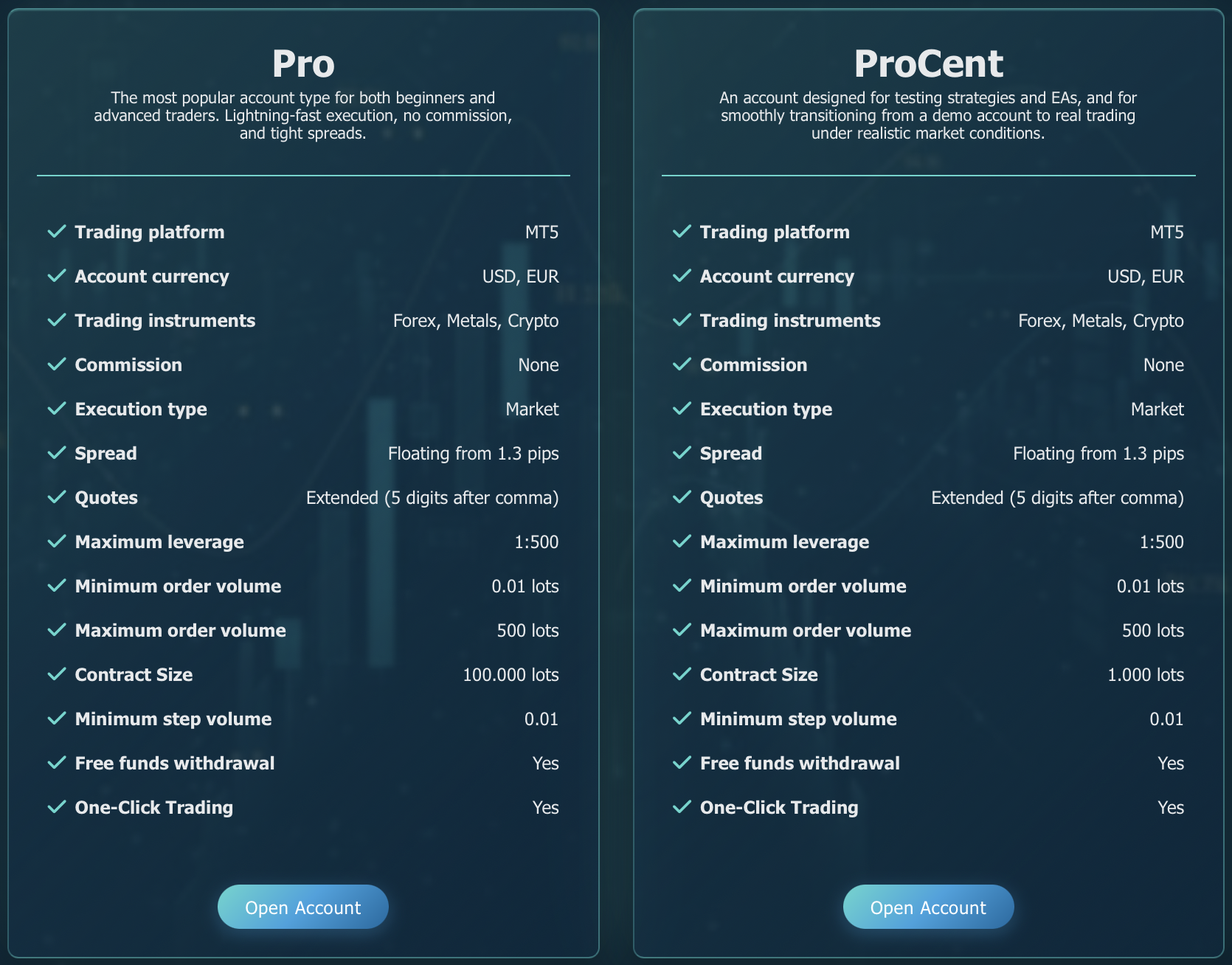
Clients are permitted to trade various financial instruments, with a primary focus on the Forex market. However, exact asset counts are withheld, and choices become narrower when utilising the managed terminal. Crucially, the core business model revolves around Contracts for Difference (CFDs), a fact conveyed to users in a superficial manner. This heavy reliance on CFD structures frequently signals fraudulent intent, as it systematically exposes retail traders to severe capital erosion.
The leverage limit is fixed at a universal 1:500 across all account tiers. Such disproportionately high leverage is a common hallmark of questionable entities. When paired with CFD instruments, the probability of sudden and total capital loss at the very start of a trading relationship becomes virtually guaranteed.
While the firm claims spreads start from 1.3 pips with zero commission, we wonder if any retail trader has ever experienced these conditions in a live environment. We strongly advise against taking these claims seriously.
Regarding auxiliary services, the firm promises free withdrawals. This marks the entirety of their value-added offerings; traders should expect no educational resources, market commentary, or structural analytical content.
Solantis Custom Utilities Insight
The broker claims integration with the MetaTrader 5 platform, offering both desktop and mobile iterations. While this might initially appear advantageous, it serves as a partial illusion, as the firm’s managers retain absolute control over the terminal servers. Consequently, trade execution can be artificially altered to favour the house, with the primary objective being the gradual depletion of the trader’s balance to absolute zero.
Customer Service Overview
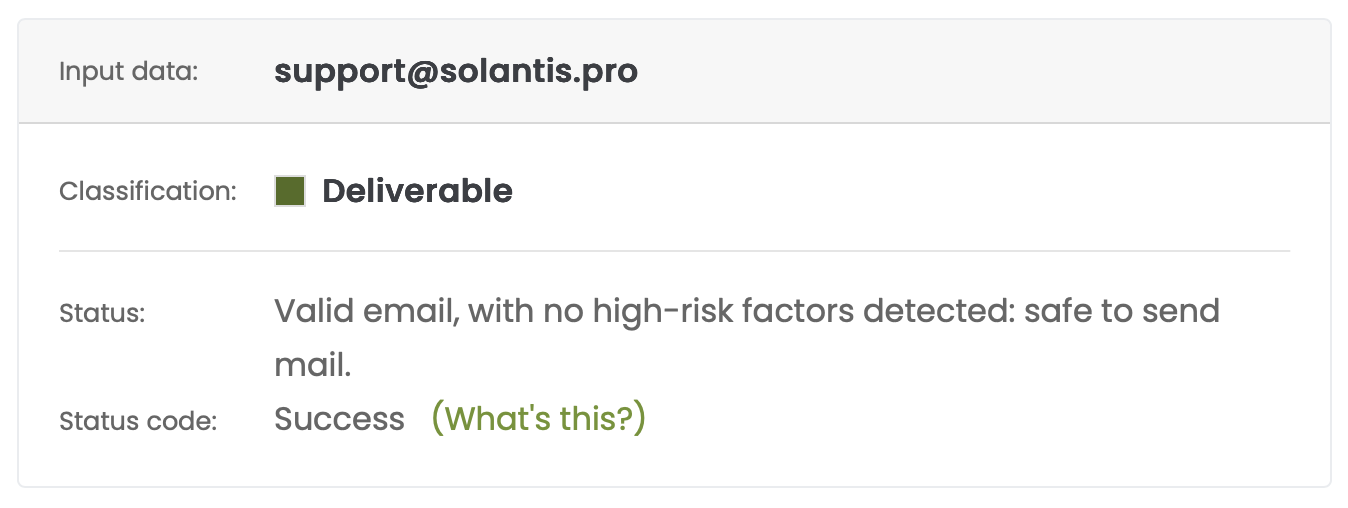
Customer support is confined entirely to a single email address. While validation tools confirm the email address is active, expecting professional or timely assistance is unrealistic. The complete absence of live chat modules, telephone lines, or social media infrastructure underscores a deliberate effort to limit outbound communication.
Our Verdict
We strongly advise against engaging with the Solantis dealing centre. The project operates strictly within an offshore legal vacuum without verifiable physical offices. User feedback is overwhelmingly negative, and the official website lacks the transparency required of a legitimate financial intermediary.
About the author

Given my industry experience, I would suggest avoiding this broker entirely. They operate without a regulatory mandate, possess a negligible footprint of genuine feedback, and suffer from an atrocious reputation within the trading community. Furthermore, one should look closely at the absurdly high leverage permitted on the platform – it is a recipe for disaster. Even experienced traders can’t always manage such high margin, not to mention that Solantis doesn’t have sufficiently robust regulations to be considered fair and impartial.